
#291: Mid-Quarter Check-In: Models, Mechanics, Q4 Close Prep

We’re at the halfway mark of Q4, and the signals are becoming clearer: funds are operating with more focus, LPs are paying closer attention to operational clarity, and fund models are increasingly central to how decisions get evaluated.
This mid-quarter check-in ties together posts #280–#290, highlighting trends, observations, and practical takeaways as we head into year-end — while leaving room for different approaches and perspectives.
Brought to you by:
Visible - No more chasing founders or wrangling spreadsheets. Finance teams at top VC firms use Visible’s AI-driven platform to streamline portfolio monitoring, stay audit-ready, and impress LPs. Find out why our customers love us today.
AngelList - As VC firms scale their institutional LP base, finance is no longer just back-office hygiene—it’s a strategic advantage. AngelList’s fund admin operates like an outsourced COO, streamlining operations, meeting institutional diligence standards, and delivering timely, accurate reporting. See why 25k funds and syndicates trust AngelList.
🏆 Spotlight: RAISE Insights
#287 — Inside RAISE Global 2025: How Fund Models Are Evolving
RAISE 2025 made one thing clear: LPs are increasingly looking at how managers execute, not just what they invest in. Pacing, reserve strategy, and recycling assumptions came up repeatedly as areas where LPs want clarity. These aren’t the only ways to approach it, but the discussions highlighted how operational transparency is becoming an important signal.
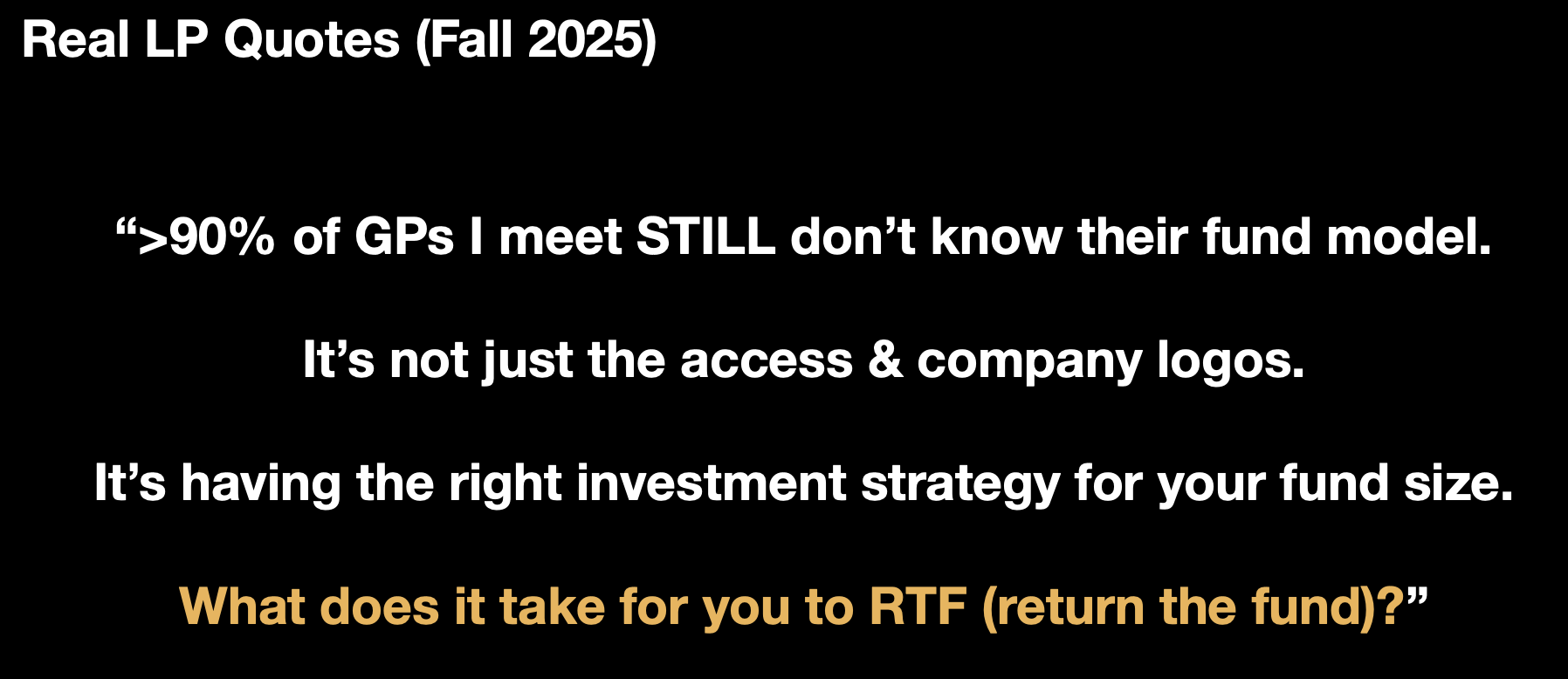
#289 — Fund Models Matter (RAISE Takeaways)
Building on RAISE conversations, this post dug into how funds are refining check sizing, follow-on strategy, and capital deployment frameworks. It reinforced the idea that a fund model is a living system, not just a spreadsheet. Different teams will structure models differently, but making the mechanics clear — how you pace, reserve, and recycle capital — is increasingly part of LP assessment.
Key RAISE observations:
LPs value mechanical clarity — pacing tables, reserves, and follow-on plans.
Models are not one-size-fits-all; different approaches can achieve similar outcomes.
Understanding trade-offs — concentration vs diversification, liquidity vs optionality — is critical.
📊 Portfolio & Market Observations
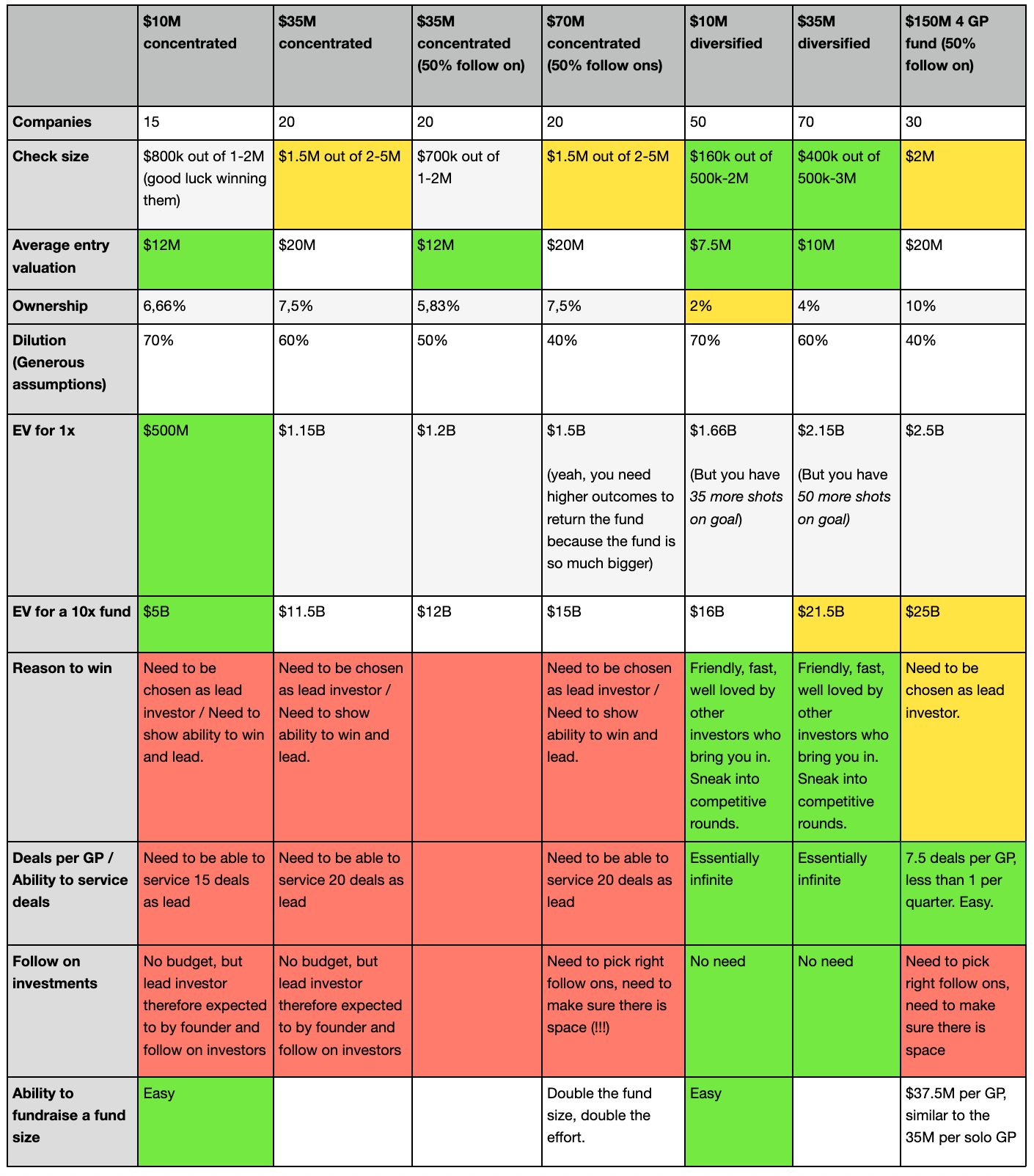
#290 — Concentrated vs Diversified: Fund Model Math That Matters
Illustrated the trade-offs between concentrated and diversified portfolios. Both approaches have pros and cons; the value is in understanding the math behind allocation, dilution, reserves, and DPI pathways — not in declaring a single “correct” approach.
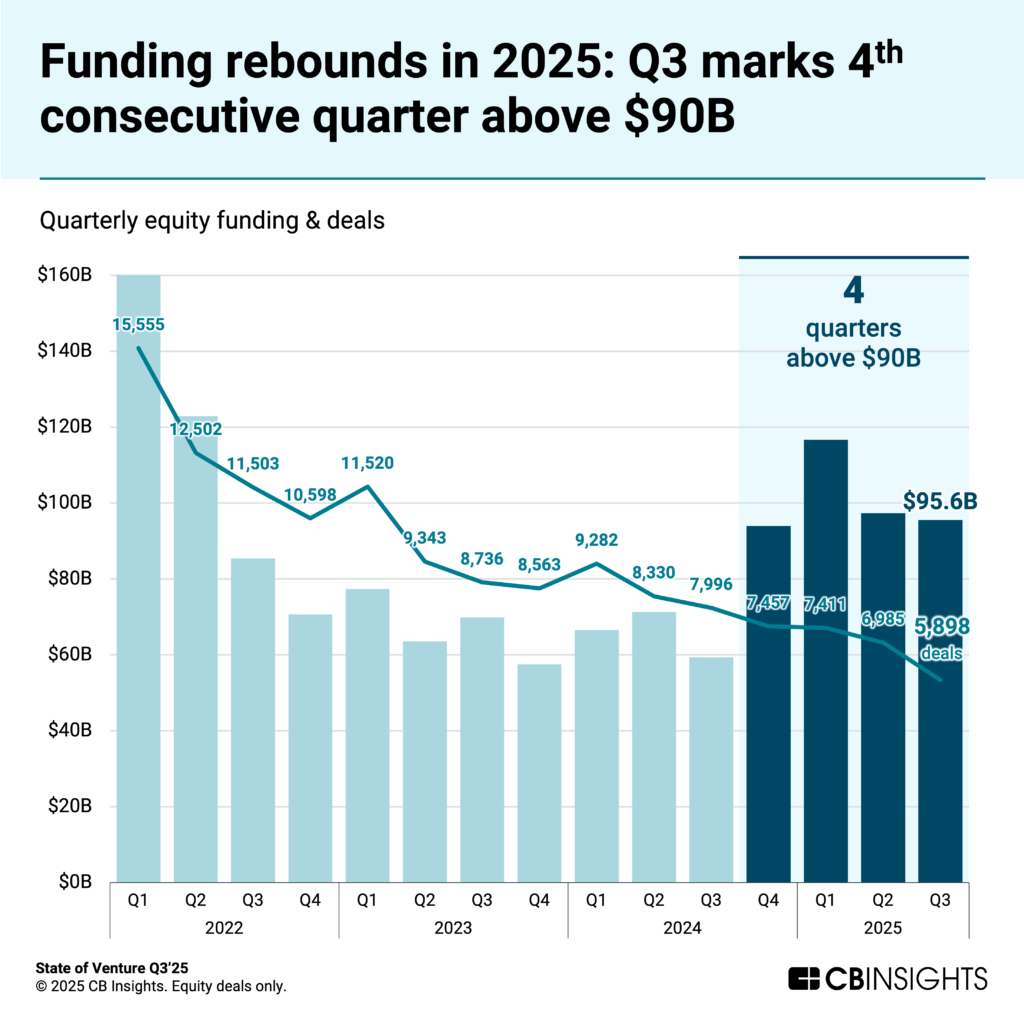
#283 — Signs of Life: What Q3 Tells Us About VC’s Slow Rebuild
Early-stage deal activity stabilizing, later-stage rounds selective. Shows the market’s selective recovery and highlights why pacing and reserves are increasingly important.
#286 — The $90B Plateau: What Q3’25 Says About Venture’s Selective Recovery
Capital is flowing above $90B, but through narrower channels. A selective market means that deployment strategies and positioning are more consequential.
⚙️ Operational & Close Prep
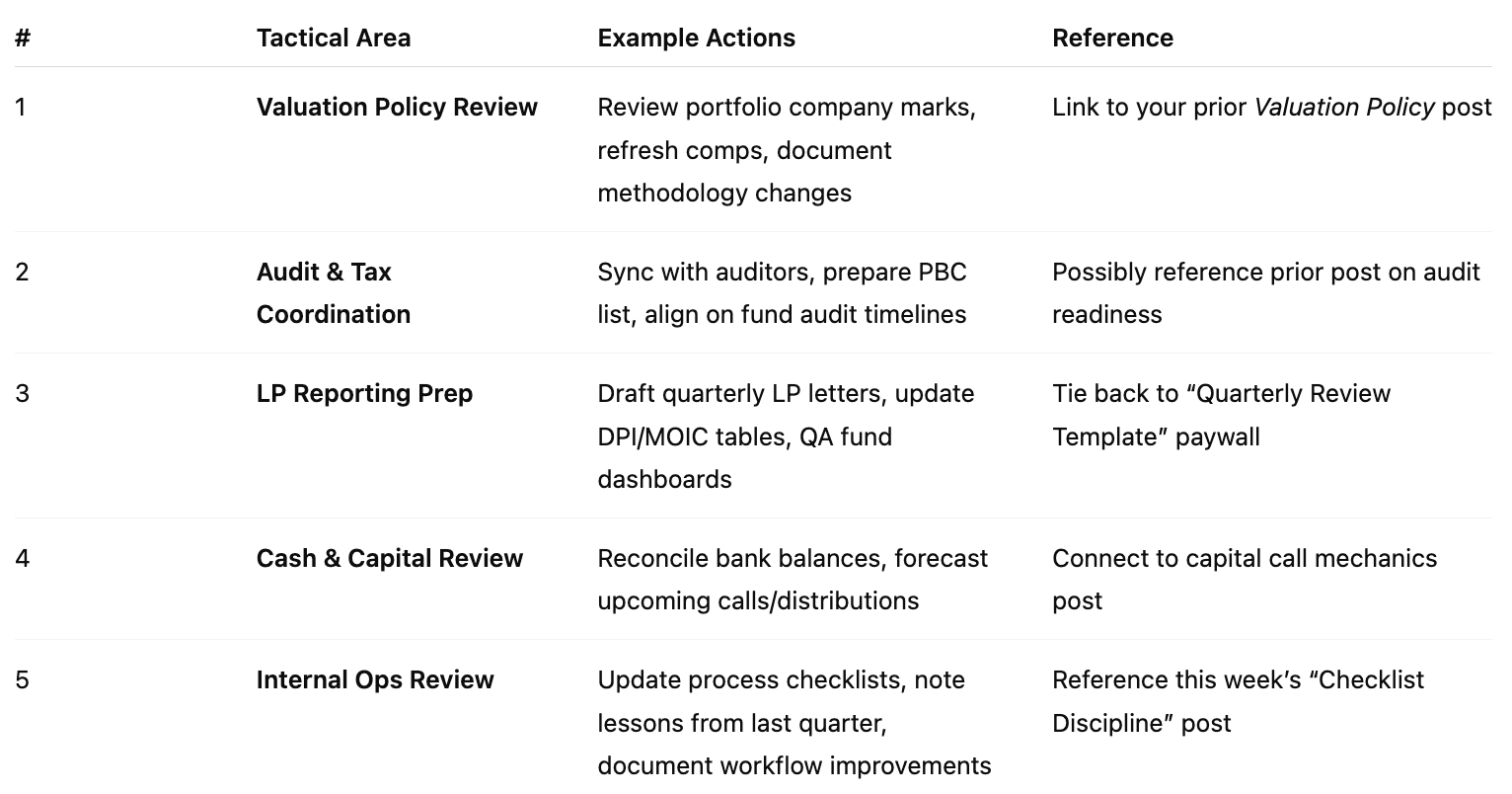
#280 / #281— Q3 Closing Checklist w/ Playbook, Model, Valuation Updates
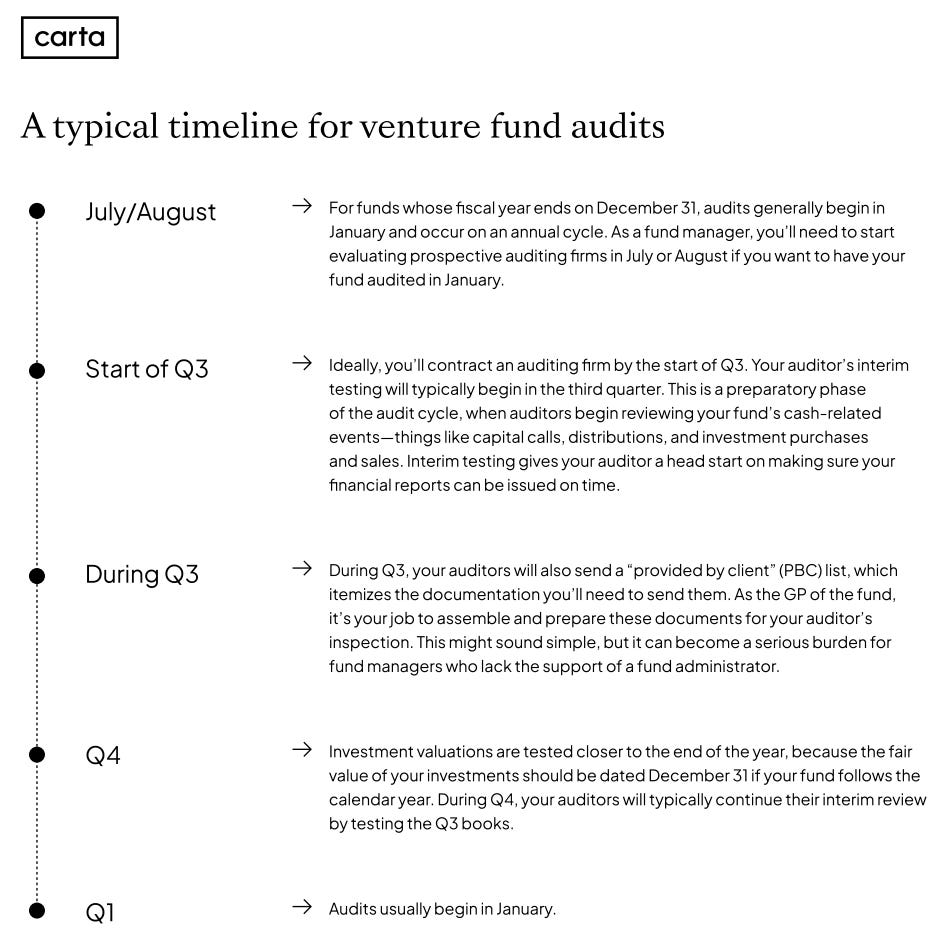
Valuation prep, audit readiness, and LP reporting. Thoughtful planning tends to make year-end smoother — the exact approach will vary by fund.
#282 / #284 — Resources to Get a Fund Tax-Ready
Practical resources for tax prep highlighted the areas that tend to create friction at year-end: K-1s, partnership allocations, and fund flow documentation. Different teams have different approaches, but preparedness generally helps reduce surprises.
#285 — Fundraising Playbook for Emerging Managers
Fundraising remains selective. Emerging managers are increasingly asked to show evidence of pacing, reserves, and follow-on capacity. The post highlighted approaches that seem to resonate with LPs — though there are always multiple ways to demonstrate rigor.
✅ Key observations for fund finance and operations
Structure supports clarity — LPs often focus on pacing, reserves, and model design. How you approach these elements may differ, but having intentional processes is generally helpful.
Transparency builds trust — Sharing how you plan to deploy capital, manage reserves, and handle carry waterfall can help LPs understand decision-making. There are multiple ways to present this.
Audit and valuation readiness reduces friction — Clean, well-prepared year-end processes tend to make operations smoother, but each fund may adapt to its own context.
Liquidity considerations matter — Modeling exit scenarios and capital recycling can inform planning. How a fund approaches this depends on strategy and fund size.
Selectivity is context-dependent — Capital is flowing selectively in 2025. The key is to understand your approach and rationale rather than following one prescribed path.
👀 Points to watch
Reserves & write-ups: Are you showing enough follow-on capacity?
Deployment pace: Are pacing assumptions aligned with market reality?
Liquidity pathways: Are secondary or continuation options incorporated?
Valuation & audit workflow: Are assumptions defensible and clearly communicated?
Fund model clarity: Can you explain your approach concisely? Multiple structures can work if reasoning is clear.
🎯 Want to dive deeper?
If you’re ready to translate these insights into action, we’ve built a fully‑modelled fund template designed for GPs and finance teams who want to align pacing, reserves, carry, and deployment mechanics with market‑expectations.
Access the full model below:
Keep reading with a 7-day free trial
Subscribe to @TheFundCFO Newsletter to keep reading this post and get 7 days of free access to the full post archives.